What Does “Military-Grade” Mean in a Laptop?

When you hear the phrase “military-grade,” it often sounds like a promise of unmatched durability. The term is used in two very different ways- as a marketing buzzword and a technical standard. Many laptop makers highlight military grade laptop features to suggest their devices can withstand drops, dust, temperature changes, or vibration. While some truly undergo tests based on U.S. Department of Defense standards, others simply use the phrase to imply toughness without proving compliance.
This can make it tricky for buyers to separate genuine rugged devices from ordinary laptops dressed up with bold claims. The original purpose of rugged certification is clear- to ensure technology remains reliable in demanding conditions such as fieldwork, construction sites, or military operations. Understanding what “military-grade” really means helps you see past the hype and recognize when a laptop is designed for practical resilience versus when it’s just a marketing tool.
Understanding MIL-STD-810H and Associated Standards
MIL-STD-810H is the most widely referenced guideline when it comes to rugged laptops, but it is often misunderstood. These tests simulate real-world environmental conditions, yet the U.S. military does not perform them. Instead, manufacturers conduct self-certification, which means results can vary based on the procedures followed.
Drop & Shock (Method 516.8)
This test evaluates how well a laptop withstands sudden impacts, simulating drops from various heights onto hard surfaces. A rugged device should survive repeated shocks without structural or functional damage. Manufacturers often highlight drop ratings as proof of durability, but outcomes depend heavily on the test environment. Accurate compliance means the laptop can endure rough handling, making it suitable for field use in construction, logistics, and defense, where accidental drops are everyday occurrences.
Vibration (Method 514.8)
Laptops face constant vibration when used in vehicles, aircraft, or industrial machinery. This test checks if internal components remain stable and connections stay secure under prolonged vibration cycles. It helps ensure that critical parts such as storage drives, circuit boards, and cooling systems do not loosen or fail. Passing vibration testing is especially valuable for professionals who rely on laptops in moving environments, where continuous jarring could otherwise cause premature hardware breakdowns.
Extreme Temperatures (Methods 501.7 & 502.7)
Rugged laptops are tested for resilience against both scorching heat and cold. High-temperature trials measure performance under prolonged exposure to heat, while low-temperature tests check usability in subzero environments. These conditions simulate outdoor operations, desert deployments, or cold storage facilities. A laptop that passes these tests should power on, function, and reboot reliably even after temperature extremes, offering confidence to users who work in unpredictable climates or demanding field conditions.
Sand, Dust & Humidity (Methods 510.7 & 507.6)
Dust and humidity pose serious risks to electronics, often clogging vents, corroding circuits, or degrading performance. MIL-STD-810H includes tests that simulate desert sandstorms and humid tropical conditions. A laptop that passes dust tests should resist particle intrusion, while humidity testing ensures moisture does not damage sensitive components. These protections matter in industries like mining, agriculture, and offshore work, where laptops may be exposed to airborne debris or high moisture levels daily.
Water Resistance & IP Ratings (Method 506.6)
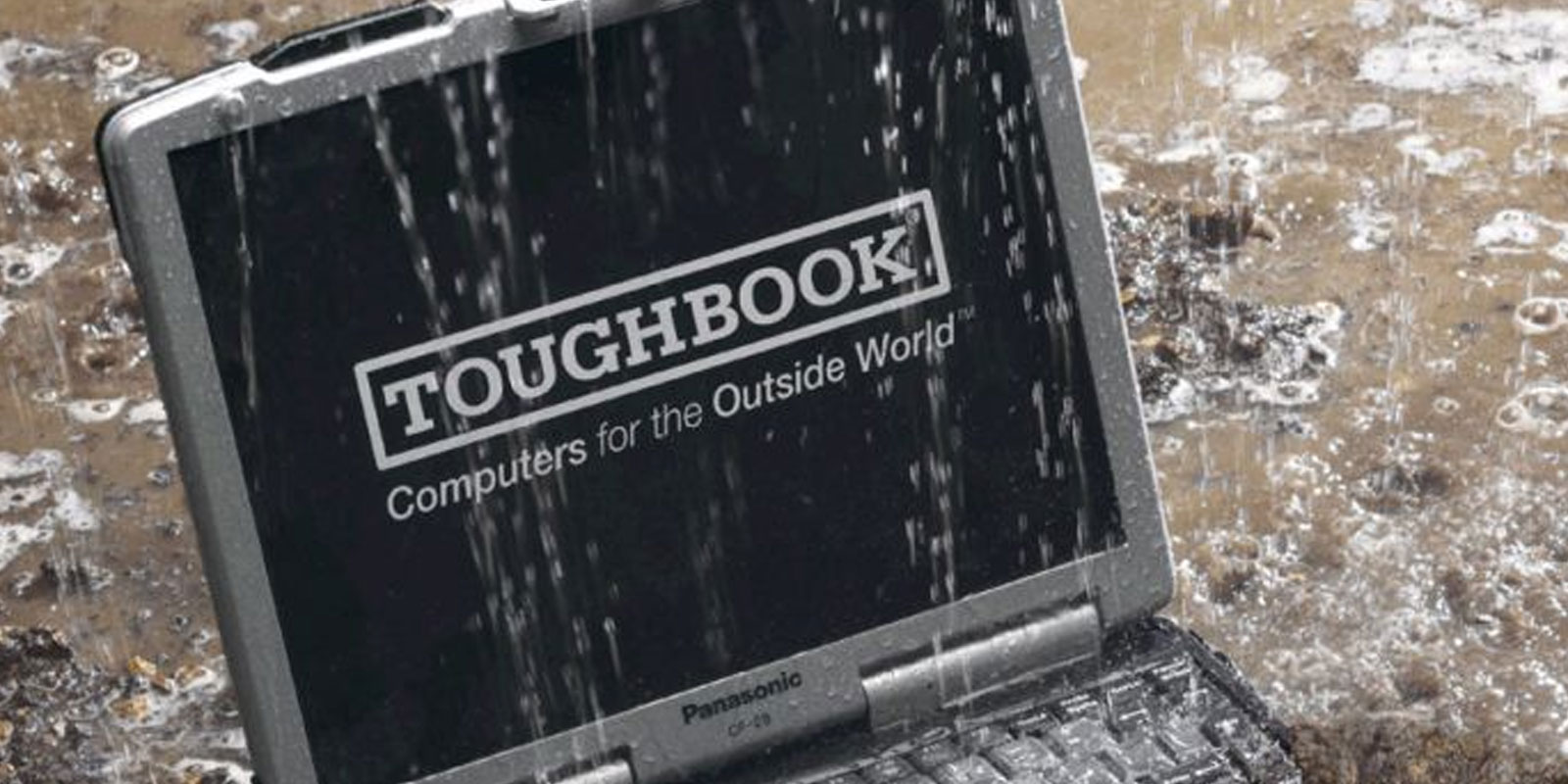
This test evaluates protection against water intrusion, from light rain to direct water sprays. While MIL-STD-810H uses simulated rain environments, many rugged laptops also carry IP ratings, which give more precise guidance on resistance to water and dust. IP standards, such as IP65 or IP67, indicate tested protection levels. Together, these benchmarks assure users that their laptop can survive accidental spills or weather exposure without catastrophic damage to internal components.
EMI/EMC Shielding (MIL-STD-461)
electromagnetic compatibility (EMC) and Electromagnetic interference (EMI) tests ensure laptops function correctly when exposed to strong electronic signals. MIL-STD-461 verifies shielding against interference from devices like radios, radar, or industrial machinery. For field operators, this reduces the risk of unexpected shutdowns or corrupted data during mission-critical tasks. Effective shielding also prevents the laptop from interfering with nearby sensitive equipment, an essential feature for military and specialized commercial operations.
Vehicle Power Compatibility (MIL-STD-1275)
When laptops are used in military or heavy-duty vehicles, they must handle inconsistent power supplies. MIL-STD-1275 tests compatibility with voltage spikes, drops, and electrical noise from onboard vehicle systems. Compliance ensures laptops can charge safely without shorting out or damaging internal circuits. This makes the devices more dependable for soldiers, field technicians, or emergency responders who rely on vehicle-based power sources in environments where stable grid electricity is unavailable.

Key Rugged Features of Military Laptops
Beyond passing MIL-STD-810H tests, proper rugged laptops integrate physical and functional designs that go far beyond marketing claims. These military grade laptop features are engineered for users who demand reliability in extreme environments, balancing durability, performance, and long-term value.
Ruggedized Chassis & IP Sealing
A rugged laptop is built with reinforced magnesium alloy or carbon fiber shells, rubberized bumpers, and port covers that protect against impact and debris. Compliance with IP65 and IP67 sealing ensures resistance to dust and water. Combined with MIL-STD-810H testing, these structural reinforcements allow laptops to survive field conditions without frequent repairs. With rugged devices showing a 33% lower failure rate over five years, businesses gain reduced downtime and lower total cost of ownership, despite higher initial investment.
Sunlight-Readable & NVG-Compatible Displays
Field operators often face bright sunlight or nighttime missions requiring night vision gear. Rugged laptops solve this with sunlight-readable displays, anti-reflective coatings, and NVG-compatible backlighting. These military grade display enhancements improve visibility across diverse environments, making them vital for soldiers, pilots, and outdoor professionals. With laptops holding over 40% of rugged market revenue, such display adaptability underscores their dominance in real-world usage, where mission-critical visibility can’t be compromised.
Hot-Swappable Batteries & Power Management
Mission continuity depends on reliable power, so many rugged laptops include a hot-swappable battery system. Users can replace batteries without shutting down, preventing data loss in the field. Power management systems support both AC/DC inputs, meeting MIL-STD-1275 standards for vehicle compatibility. In markets where rugged electronics are expected to reach USD 14.8 billion by 2030 (CAGR 4.6%), extended runtime features remain key differentiators that improve ROI by maximizing uptime in critical operations.
Secure Connectivity & Custom Interfaces (SATCOM, tactical radios)
Unlike consumer laptops, rugged devices such as SATCOM, tactical radios, and secure Ethernet modules support specialized connectivity. These interfaces meet MIL-STD-461 requirements for electromagnetic compatibility while ensuring uninterrupted communication. Such military grade laptop features allow integration into defense and emergency networks where secure and reliable data transmission is mission-critical. This connectivity reduces operational risk in industries like defense, mining, and utilities while enabling seamless collaboration in harsh or remote environments.
Improved Security (TPM, smart cards, stealth mode)
Security is central to military grade laptops, which incorporate TPM modules, astute card readers, and BIOS-level protections. Some rugged laptops feature stealth mode, which turns off lights, sounds, and wireless signals during covert operations. These layers of protection ensure compliance with strict government standards and safeguard sensitive data. With rugged devices reporting a 33% lower failure rate than consumer models, combining durability with advanced security reinforces their long-term value in high-stakes environments.
EMI Shielding & Hazardous Location Certifications
Rugged laptops undergo MIL-STD-461 testing to ensure resilience against electromagnetic interference, protecting performance near radar, radios, or heavy equipment. Many also earn hazardous location certifications (ATEX, ANSI), making them safe in explosive or volatile environments. This dual compliance extends functionality to oil rigs, chemical plants, and battlefield zones. Given the market’s projected USD 14.8 billion growth, EMI shielding and hazard certifications are core military grade laptop features that drive adoption across specialized industries.
Performance, Expansion & Modular Design
Rugged laptops don’t sacrifice performance for durability. Modular bays and expansion slots allow extra SSDs, GPUs, or communication modules to be integrated. This flexibility aligns with MIL-STD-810H durability and ensures adaptability over years of use. Modular design directly contributes to dominance, with laptops representing over 40% of rugged market revenue. Organizations investing in rugged laptops benefit from scalability, long-term compatibility, and a proven ROI thanks to reduced failures and field-ready performance.
Military vs. Consumer Laptop Comparison
Choosing between a military grade laptop and a standard consumer model often comes down to balancing durability, performance, and cost. The table below highlights the differences in design, testing, and functionality.
|
Feature / Spec |
Military Grade Laptop (Rugged) |
Consumer Laptop (Standard) |
|
Durability Standard |
MIL-STD-810H, IP65/IP67, MIL-STD-461, MIL-STD-1275 |
None or basic consumer-level durability |
|
Chassis Material |
Magnesium alloy, reinforced frame, shock-absorbing bumpers |
Plastic or aluminum, limited protection |
|
Drop & Vibration Resistance |
Tested for field drops, vibration in vehicles/aircraft |
Not drop tested, prone to damage |
|
Temperature Tolerance |
Operates in -29°C to +63°C (per MIL-STD-810H) |
Room temperature usage, limited extremes |
|
Dust & Water Protection |
IP65/IP67 sealing against particles and moisture |
No sealing, highly vulnerable |
|
Power Options |
Hot-swappable battery, vehicle power (MIL-STD-1275) |
Single internal battery only |
|
Connectivity |
SATCOM, tactical radios, secure Ethernet modules |
Standard Wi-Fi, Bluetooth, USB ports |
|
Security |
TPM, smart card readers, BIOS protection, stealth mode |
Basic password and OS-level security |
|
EMI/EMC Protection |
Certified to MIL-STD-461 standards |
No EMI certification |
|
Price & ROI |
Higher upfront cost, 33% lower failure rate → lower 5-year TCO |
Lower upfront cost, higher long-term repairs |
This side-by-side view illustrates why rugged laptops dominate over 40% of the rugged device market. While consumer models appeal on cost, military grade laptop features provide unmatched resilience, long-term ROI, and mission-ready dependability.
Top Manufacturers & Models
Several brands dominate the military grade laptop features market, with proven reliability under DoD standard requirements. Leading names include Panasonic TOUGHBOOK series- each devices in this range offer balance of durability, modular design, and long-term ROI.
Price Ranges & Total Cost of Ownership
Rugged laptops typically cost between $2,000 and $5,000 new, reflecting their MIL-STD-810H, IP rating, and hazardous location certified capabilities. While consumer devices may seem cheaper upfront, rugged laptops show a 33% lower failure rate, reducing downtime and replacement costs. Over a five-year cycle, this translates into a lower total cost of ownership, especially for enterprises operating in construction, defense, or oil and gas sectors where device failure can halt operations. For many, predictable performance and reduced maintenance justify the higher upfront price.
New vs. Refurbished Rugged Laptops
Refurbished rugged laptops are a practical entry point for organizations on tight budgets. Certified refurbished units undergo thorough inspections to meet self-certified rugged standards, often still compliant with MIL-STD-810H and IP65/IP67. These models can cost 30–50% less than new while delivering the same rugged protection. Buyers should prioritize units from trusted resellers who guarantee compliance with DoD standard testing. New purchases are often preferred for industries requiring ATEX or C1D2 certifications to ensure up-to-date compliance with hazardous environment regulations.
Real-World Applications & Use Cases
The military & defense sector is the largest end-user of rugged laptops, driven by mission-critical reliability (Mordor Intelligence). These devices serve in command and control (C2), secure communications, and UAV operations. Rugged laptops are critical in cybersecurity monitoring, logistics planning, training simulations, and real-time data collection. With hot-swappable battery support, high-brightness screens with optical bonding, and ATEX/C1D2 hazardous location certified options, they thrive in demanding conditions. Civilian industries, including mining, emergency response, and oil and gas, also benefit. Their resilience, compliance with MIL-STD-461, and compatibility with MIL-STD-1275 vehicle power make them indispensable across sectors where failure is not an option.
Future Trends in Military-Grade Computing
Looking ahead, rugged computing trends point to more brilliant, versatile machines. Expect laptops with modular design for easier upgrades, stronger cybersecurity frameworks, and VR training integration for mission simulations. Displays will improve with high-brightness screens and optical bonding for readability under sunlight. Increased demand for hazardous location certified systems (ATEX, C1D2) will expand their use beyond defense into industrial applications. Manufacturers are also innovating around lighter builds without sacrificing compliance with DoD standard tests, pushing for tighter integration with UAVs, IoT, and secure satellite communications. Demand will only intensify with the rugged electronics market likely to reach USD 14.8 billion by 2030.
Final Thoughts & Buying Recommendations
Choosing between a consumer laptop and a military grade model depends on operational needs. For fieldwork, IP65/IP67, MIL-STD-810H, and MIL-STD-461 compliance are essential. Enterprises operating in explosive or volatile environments should seek hazardous location-certified laptops with ATEX or C1D2 ratings. Refurbished models offer strong value for budget-conscious buyers, while new units ensure the latest compliance. Focus on modular design, hot-swappable battery systems, and secure connectivity for futureproofing. The military & defense sector remains the largest end-user (Mordor Intelligence), but commercial adoption is skyrocketing. Ultimately, rugged laptops deliver long-term ROI, mission reliability, and peace of mind in industries where failure is unacceptable.
Get in touch with Rugged Computing,Inc., and shop military grade Panasonic laptops and more to meet your specific requirements.
FAQ
1. What does military grade mean on a laptop?
“Military grade” refers to testing under the DoD’s MIL-STD-810 standards. Laptops undergo simulated stress like drop (516.8), vibration (514.8), extreme temperatures (501.7/502.7), dust (510.7), humidity (507.6), and water (506.6). These tests are self-certified, so buyers should confirm specific methods for reliable durability claims.
2. What is the difference between a military laptop and a standard laptop?
Military laptops include reinforced chassis, IP-rated sealing, MIL-STD-810/461 compliance, high-brightness or NVG displays, hot-swappable batteries, hardware-level security, and vehicle power compatibility. Consumer laptops emphasize design, speed, and affordability but lack rugged sealing and specialized connectivity, making them less suited for demanding or hazardous environments.
3. Are military grade laptops good?
Yes, rugged laptops excel in harsh environments, offering durability, outdoor screen visibility, long service life, and lower TCO from reduced failures. Drawbacks include higher upfront costs, bulkier design, and generally lower raw performance than lightweight consumer laptops optimized for speed, portability, or entertainment.
4. What type of laptop does the military use?
There’s no single standard device. The military uses rugged models from different brands such as the Panasonic TOUGHBOOK series. These laptops meet MIL-STD-810 and MIL-STD-461 standards, with mission-specific configurations for field diagnostics, command-and-control, secure communications, and aviation applications requiring high resilience and specialized performance.