Rugged Laptop Buying Guide- What to Know Before You Invest
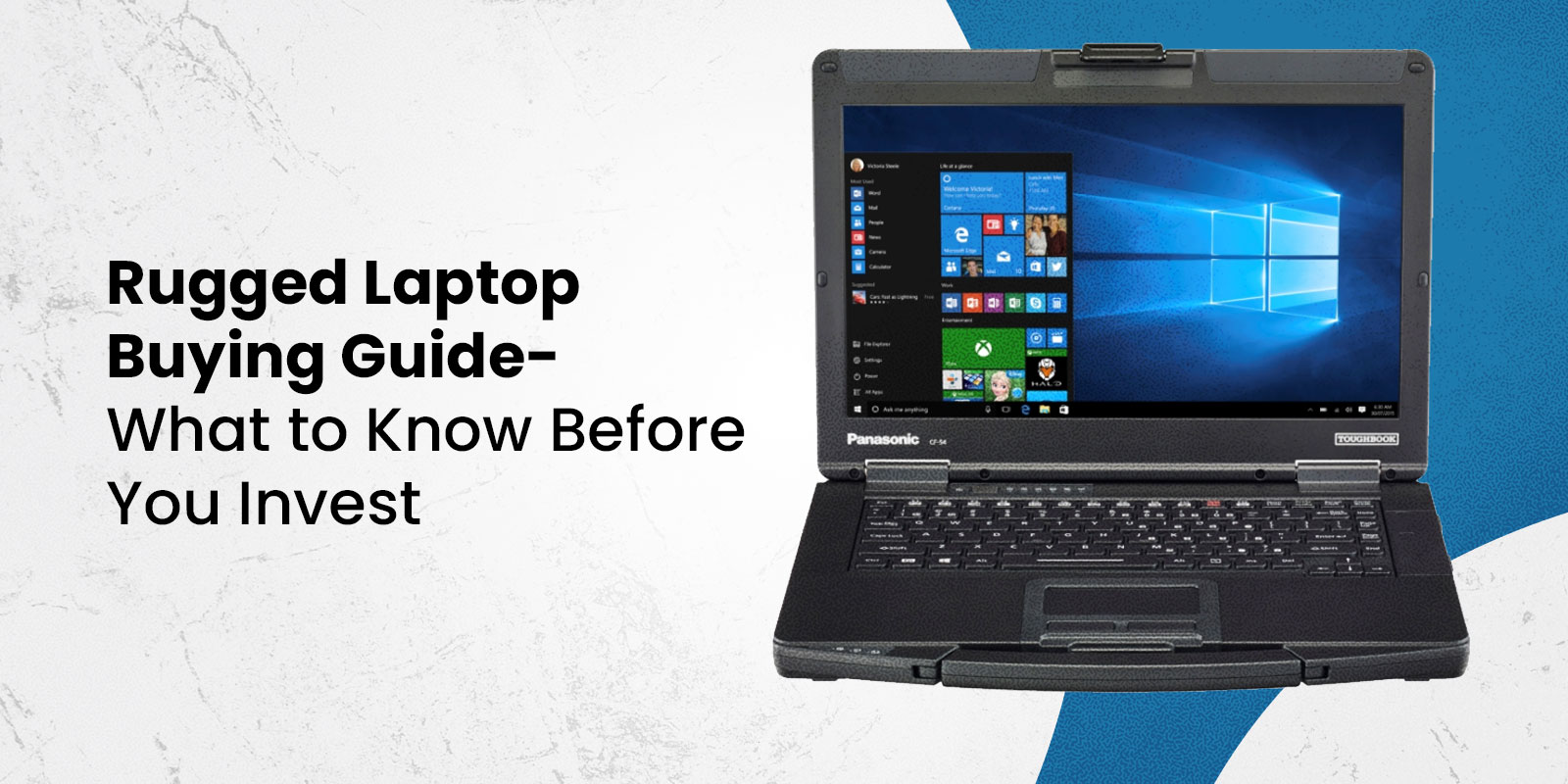
When choosing the right computer for demanding environments, this rugged laptop buying guide will help you make an informed decision. Unlike standard models, rugged laptops are built to withstand drops, dust, spills, and extreme temperatures, making them essential for fieldwork, military operations, and industrial settings.
The growing market reflects this need- the global rugged electronics market, valued at USD 11.1 billion in 2023, is projected to reach USD 16.2 billion by 2030 with a CAGR of 5.5% (Fortune Business Insights). Reliability is another key factor. Rugged laptops fail at only 2-3% annually in harsh conditions compared to 15% for standard laptops (Panasonic).
Buyers can choose between a semi-rugged laptop, which balances durability with portability, and a fully rugged notebook, designed for the harshest conditions. Understanding these categories and their trade-offs ensures your investment meets performance and durability needs.
Why Choose a Rugged Laptop?
Here’s why a rugged laptop will be essential in different scenarios-
Reliability in Demanding Environments
A rugged laptop is purpose-built for situations where ordinary devices fail. Industries like construction, oil and gas, emergency services, and the military rely on these machines for mission-critical work. Unlike consumer laptops, a military standard laptop undergoes strict durability testing, often certified to MIL-STD-810H for resistance to shock, vibration, temperature extremes, and humidity. Some models also carry an IP65 rating, protecting against dust and water spray.
Lower Failure Rates, Lower Downtime
Durability is more than marketing as it’s measurable. Studies show rugged laptops fail at 2-3% annually in harsh conditions, compared to 15% for standard laptops. That difference directly impacts productivity. Every breakdown in the field can lead to costly downtime, disrupted operations, or safety risks. Choosing a shockproof laptop reduces the likelihood of equipment failures and the financial burden of emergency repairs or replacements.
Value Beyond Price
While rugged laptops may cost more upfront, they often save money over their lifetime by minimizing service interruptions. Features such as outdoor-viewable screens and hot-swappable batteries ensure uninterrupted use, even on long shifts outdoors. For professionals working in unpredictable environments, a rugged machine is less a luxury and more necessary.
Fully Rugged vs. Semi-Rugged-Understanding the Difference
Here are some of the features and characteristics that set apart the different types of laptops-
Fully Rugged Laptops
A fully rugged laptop is engineered for the harshest conditions. These devices are typically tested to MIL-STD-810H standards and often rated IP65, offering near-total resistance to dust and protection against low-pressure water jets. They withstand drops of up to 6 feet, extreme vibrations, and constant outdoor use. Designed for defense, utilities, and heavy industry, these machines feature outdoor-viewable screens for bright sunlight and hot-swappable batteries for extended missions. They are the go-to choice when maximum durability is non-negotiable.
Semi-Rugged Laptops
A semi-rugged laptop offers a balance between durability and portability. While still tested against military standard laptop benchmarks, their protections are lighter—drop resistance usually around 3 feet and more modest dust and splash safeguards. Many models feature reinforced cases, spill-resistant keyboards, and shock-mounted hard drives, making them an upgrade over standard machines. They are ideal for transportation, logistics, and field service professionals who need durability without the weight or cost of a fully rugged unit.
Choosing Between the Two
The decision comes down to use case. A shockproof laptop that’s semi-rugged suits controlled but mobile environments, while fully rugged systems are essential in extreme or unpredictable fieldwork.

Key Certifications to Look For
Before investing in a rugged laptop, understanding certifications is crucial. These standards prove the machine’s resilience, ensuring your investment performs as promised.
MIL-STD-810H Testing
The MIL-STD-810H certification is the benchmark for a military standard laptop. It involves over 20 environmental and durability tests, including drops, vibration, shock, humidity, altitude, and temperature extremes. For example, a shockproof laptop with this certification can survive field conditions that would destroy standard machines.
IP Rating System
In addition to MIL-STD, the IP65 rating is common in rugged systems. The first digit (6) represents complete protection against dust, while the second digit (5) ensures resistance to low-pressure water jets. This matters in construction, outdoor logistics, and military deployments where exposure is constant.
Why Results Matter
Not all certifications are equal. Some devices may pass only a subset of tests. Buyers should confirm which tests were completed to ensure the laptop’s durability matches their work environment, and combined, MIL-STD-810H and IP ratings separate truly rugged devices from those with only cosmetic reinforcements.
Essential Features to Consider
Once you confirm certifications, the next step in any rugged laptop buying guide is evaluating features that affect usability and reliability.
Chassis and Sealing
The chassis material, often magnesium alloy, adds strength while keeping weight manageable. Rubberized sealing helps maintain an IP65 rating, preventing dust and water from penetrating sensitive components.
Shock Mounts and Internal Protection
A shockproof laptop uses reinforced drive bays and shock-mounted components. This minimizes damage from drops or vibration, a critical factor in semi-rugged and fully rugged laptops.
Keyboard, Ports, and Connectivity
Spill-resistant keyboards, sealed ports, and flexible I/O configurations are essential for field workers. A military standard laptop should support legacy ports alongside modern USB-C to handle varied equipment.
Display and Battery Options
An outdoor-viewable screen ensures visibility under direct sunlight. Many models also feature hot-swappable batteries, letting users replace power units without shutting down. These features extend uptime in field operations.
Top Rugged Laptops of 2025
When choosing a rugged laptop, brand and model reputation matter as much as specifications. Below are the top drop-tested laptops of 2025 that balance durability, certifications, and real-world performance.
Best Fully Rugged - Panasonic Toughbook 40 Mk2
The Panasonic Toughbook 40 Mk2 is a fully rugged laptop, built for defense and critical fieldwork. It is certified to MIL-STD-810H and IP65 rating and offers modular bays, an outdoor-viewable screen, and hot-swappable batteries. With options for a 5G rugged laptop, it’s future-ready. Pros include outstanding durability and configurability, though it’s heavier than most alternatives. As a TCO rugged device, its long lifespan offsets the premium price.
Best Compact Fully Rugged - Panasonic Toughbook G2
The Panasonic Toughbook G2 stands out as the best compact fully rugged laptop of 2025, offering military-grade durability in a lightweight and portable design. Built for professionals in demanding environments, it features a 10th Gen Intel Core processor, up to 16GB of RAM, and a bright 12-inch screen that remains readable even in direct sunlight. Whether you're in construction, public safety, or fieldwork, this device can withstand drops, extreme temperatures, and water. With impressive battery life and modular expansion options, the G2 delivers top-tier performance and adaptability in a compact, rugged package ideal for on-the-go professionals.
Best Big-Screen Rugged Workstation - Panasonic Toughbook 40
For those who need a larger screen without compromising ruggedness, the Panasonic Toughbook 40 is the ideal choice. This powerful, big-screen rugged laptop boasts a 14-inch display that delivers superior visibility in outdoor environments, coupled with an Intel Core i7 processor and up to 64GB of RAM. Designed for heavy-duty tasks like CAD, GIS, and video editing, the Toughbook 40 excels in both performance and durability. With its MIL-STD-810H certification and IP66 rating, it’s built to endure harsh conditions, including drops, water, and dust. A robust battery system ensures that users stay productive for longer during field operations.
Best Modular Rugged Laptop - Panasonic Toughbook 55 Mk3
The Panasonic Toughbook 55 Mk3 balances semi-rugged laptop portability with modular flexibility. Certified as a drop-tested laptop under MIL-STD-810H, it offers swappable expansion packs, hot-swappable batteries, and optional 5G rugged laptop support. Its outdoor-viewable screen improves usability in bright sunlight. Pros include versatility and substantial value as a TCO rugged device, while cons involve slightly less ruggedness than the Panasonic Toughbook 40. It’s ideal for professionals needing a customizable system without complete rugged bulk.
Real-World Durability- Gloves, Rain, and Extreme Temperatures
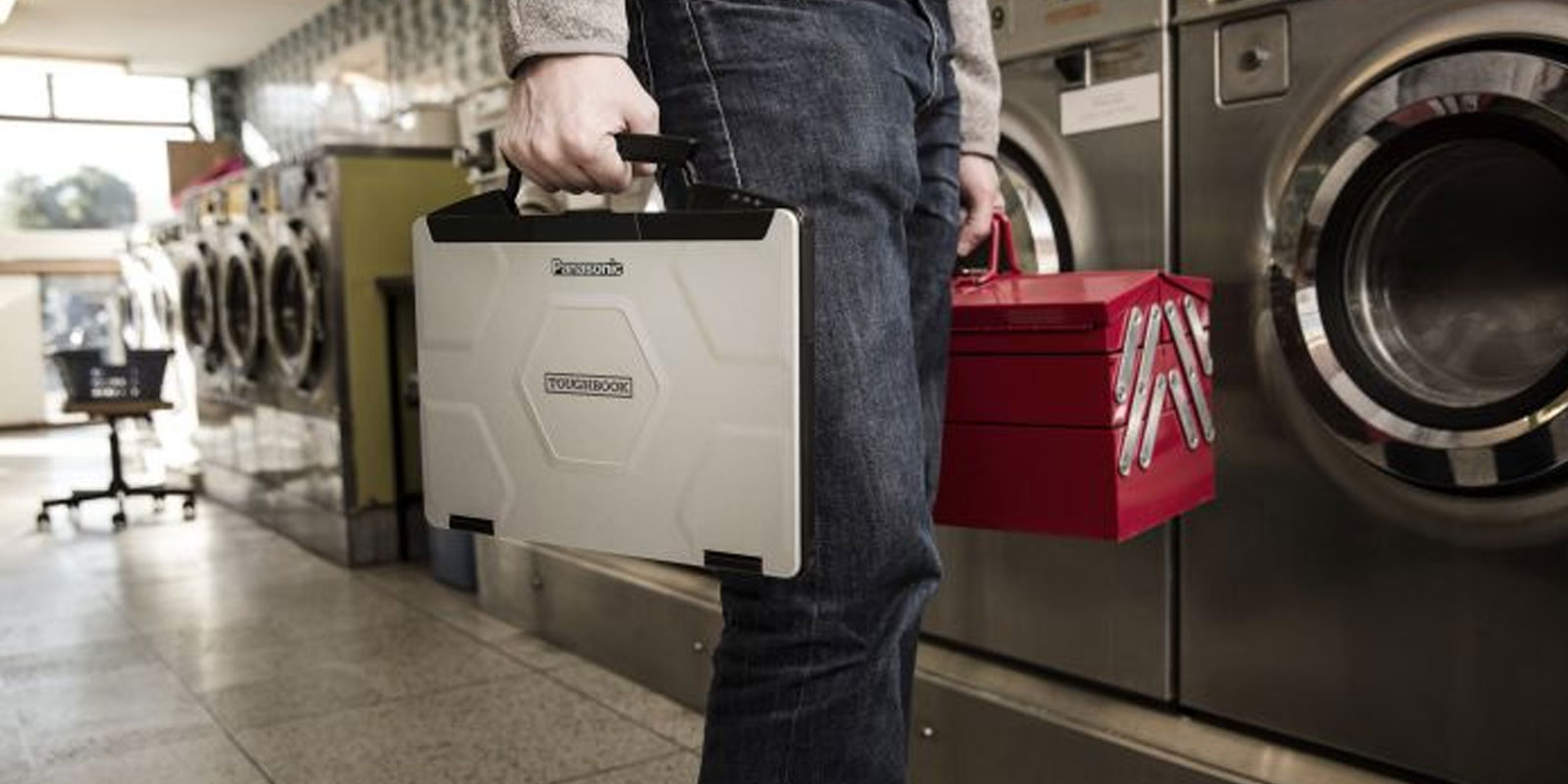
An actual extreme environment laptop must work seamlessly whether you’re wearing gloves, standing in rain, or facing sub-zero conditions. High display brightness, often 1,000 nits or more, makes an outdoor-viewable screen readable in sunlight. Touchscreen technology varies- glove-compatible and wet-touch panels prevent input errors on job sites. Input methods like spill-resistant keyboards and sealed touchpads add reliability. Proper sealing ensures dust, water, and mud don’t compromise performance. With laptop failure rates at 2-3% versus 15% for consumer devices, choosing a worksite laptop with proven durability keeps productivity steady, especially in harsh conditions.
Connectivity & Performance for Field Operations
A GPS-enabled laptop with 4G/5G connectivity ensures teams remain connected in remote or urban areas. Many enterprise rugged PCs also support FirstNet, prioritizing first responders and critical services. Performance matters too- a rugged workstation equipped with high-end CPUs and discrete GPUs handles mapping, CAD, and video feeds without lag. Port options, from legacy serial ports to modern USB-C, keep field equipment compatible. With 73% of companies reporting mobile device failures impacting productivity (Panasonic), investing in durable and connected machines is essential for continuous operations in challenging environments.
Maximizing Battery Life in the Field
For long shifts, battery reliability is as critical as durability. Many worksite laptops feature dual hot-swappable batteries, allowing power changes without rebooting. Power-saving settings like auto-dimming displays or low-power modes extend runtime. Field teams should also plan runtimes based on workloads, ensuring spare packs are ready. A well-managed battery setup reduces unplanned downtime. VDC Research shows downtime costs average $1,200 per incident for rugged laptops versus $4,200 for non-rugged devices, showing how proactive battery planning uplifts ROI. A reliable extreme environment laptop ensures power continuity, regardless of field conditions.
Customization & Modularity Options
Modern enterprise rugged PCs increasingly support customization options to match specific industries. Features include modular bays for swapping storage, graphics upgrades, or optical drives. Expansion slots allow teams to add specialized cards, while docking stations enable seamless transitions between office and field use. Some models are field-serviceable, meaning components can be upgraded or replaced without shipping the unit back. This flexibility transforms a rugged system into a long-term rugged workstation. Modular design reduces replacement needs and adapts as work evolves, ensuring your GPS-enabled laptop remains relevant throughout its service life.
Budgeting & Total Cost of Ownership
While the upfront price of a rugged system can be higher, the long-term math favors durability. VDC Research found the total cost of ownership for rugged devices is 36% lower over five years, proving strong ROI. Repair downtime is also cheaper- $1,200 per incident for rugged vs. $4,200 for non-rugged devices. For industries where lost productivity is costly, this matters. Moreover, 73% of companies report device failures harming productivity (Panasonic), highlighting the risk of consumer-grade systems. Investing in a reliable worksite laptop or rugged workstation minimizes failure, maximizes uptime, and secures long-term value.
Frequently Asked Questions
1. Do rugged laptops last longer?
Yes. Rugged laptops use magnesium-alloy chassis, sealed keyboards, and shock-mounted components, achieving a 2-3% annual failure rate versus 15% for standard models. With extended warranties and support, they deliver lower total cost of ownership (TCO) over 3-5 years, outlasting consumer devices in harsh environments.
2. Why are ToughBooks so expensive?
Panasonic Toughbooks cost more due to premium materials like magnesium alloy, outdoor-viewable screens, sealed keyboards, and strict MIL-STD and IP certifications. Added R&D, specialized engineering, and lower-volume manufacturing further increase costs. This ensures superior durability and reliability, unlike standard laptops, which quickly fail.
3. Are rugged laptops worth it?
Yes. Rugged laptops significantly reduce downtime and maintenance costs in demanding environments. Studies show a 36% lower TCO over five years and downtime savings of $1,200 per incident versus $4,200 for non-rugged devices. The investment pays off for industries exposed to dust, moisture, or drops.
4. Who makes the best rugged laptop?
The “best” depends on needs. Panasonic Toughbook series leads public safety and military use, excels in high-performance field work, and integrates seamlessly into enterprise systems with global support. Each variant from the brand has specific strengths, so the choice should match specific industry requirements.
5. What is the difference between fully rugged and semi-rugged laptops?
Fully rugged laptops survive 4-6 ft drops, extreme heat or cold, and carry IP65+ sealing. Semi-rugged laptops resist spills, offer 3-ft drop protection, and have lower IP ratings (IP52/IP53). Fully rugged suits military and heavy industry, while semi-rugged fits logistics, field service, and moderate-risk settings.
6. What makes Panasonic rugged laptops special?
Panasonic Rugged laptops stand out with user-friendly removable ports and expansions, connectivity, enterprise-grade security, and high-end CPUs and GPUs performance options. Dual hot-swappable batteries ensure long field uptime, making them ideal enterprise rugged PCs for organizations needing both durability and enterprise integration.
Wrapping Up
Choosing the right rugged laptop is more than a tech decision. It invests in reliability, productivity, and long-term savings. With proven durability, low laptop failure rates, and a 36% lower TCO over five years, rugged systems outperform consumer devices in harsh environments. Whether you need a fully rugged workstation for defense or a semi-rugged worksite laptop for field service, today’s options combine strength with modern performance features.
Check out our range of Rugged Computing, Inc. and professional services to find the best fit for your industry. Stay connected, protected, and productive wherever the job takes you.